The Thriving Business of Buying Snake Pets
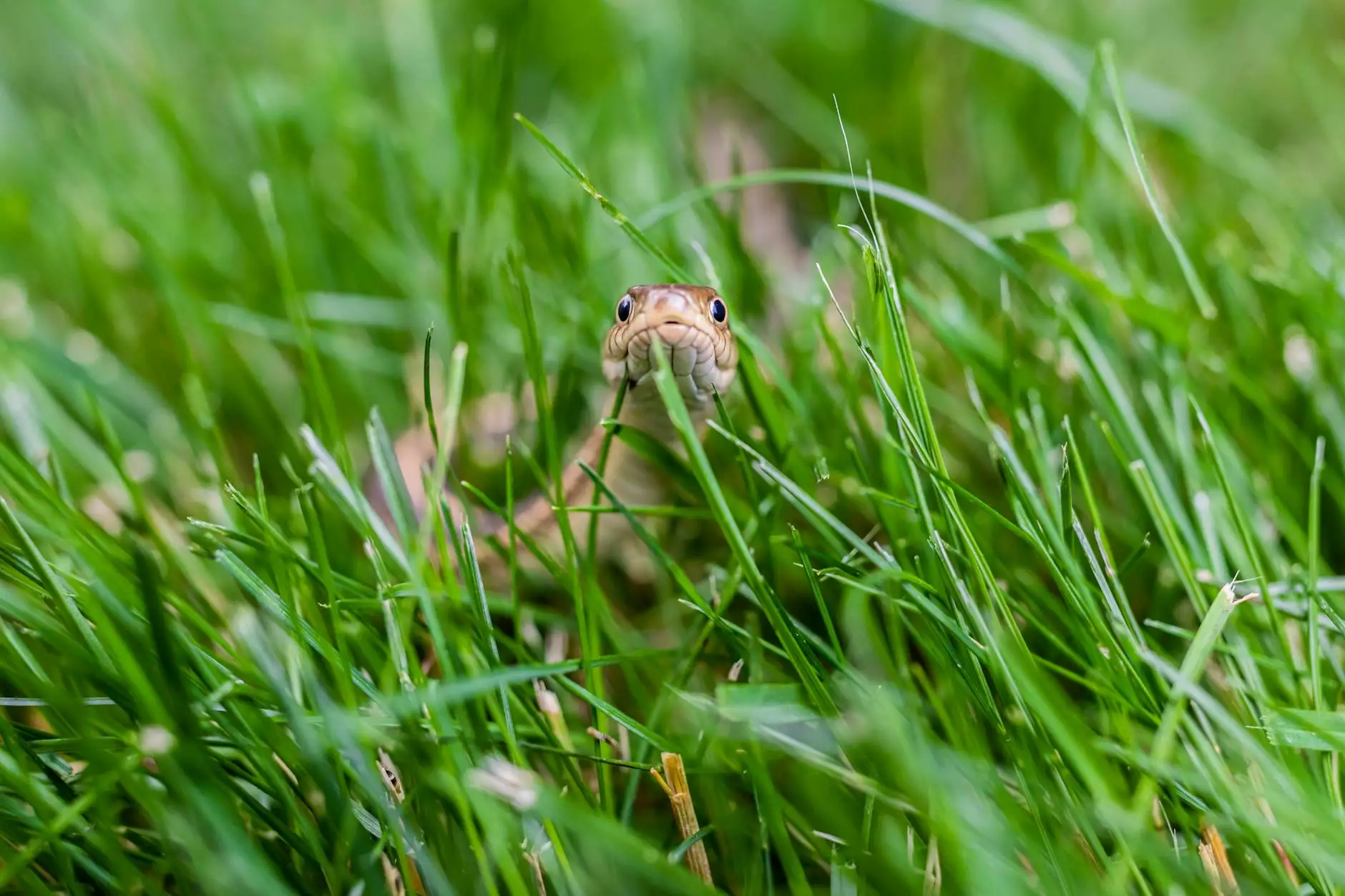
In recent years, the fascination with reptiles, particularly snakes, has grown exponentially. Potential pet owners are delving into the world of serpent companions, making the snake pet market a booming industry. From pet breeders to retailers, understanding this unique niche can lead one to success and fulfillment. This article will explore everything you need to know about buying snake pets, their care, and the industry surrounding them.
1. Understanding the Appeal of Snake Pets
Why are people so attracted to snake pets? The answer is multifaceted:
- Unique Companionship: Unlike traditional pets, snakes offer a unique relationship that is captivating and awe-inspiring.
- Low Maintenance: Compared to dogs or cats, snakes require less daily maintenance and can be more forgiving of a busy lifestyle.
- Educational Value: Snakes are fascinating creatures, and owning one can become an educational opportunity for families and individuals alike.
- Variety of Species: With hundreds of species available, potential owners can choose a snake that suits their personality and lifestyle.
2. Factors to Consider When Buying a Snake Pet
Purchasing a snake is not a decision to be made lightly. There are several factors to take into account:
2.1 Species Selection
Snakes come in various species, each with their own temperamental and physical characteristics. Popular choices for beginners include:
- Ball Pythons: Known for their docile nature and manageable size.
- Corn Snakes: Easy to care for and have vibrant colors.
- Green Tree Pythons: Stunning appearance and moderate difficulty in care.
2.2 Size & Lifespan
Consider how large the snake will grow and how long you are willing to commit. Some snakes, like the Burmese Python, can grow over 20 feet! On the other hand, species like the Ball Python can live for 20 to 30 years, necessitating long-term care.
2.3 Habitat Requirements
Snakes require specific environments to thrive. You will need to invest in:
- Enclosures: Glass terrariums with secure lids are ideal.
- Heat Sources: Snakes are ectothermic creatures that need a temperature gradient in their habitat.
- Substrate: Proper bedding material helps maintain humidity and comfort.
2.4 Diet
Understanding the dietary needs of your snake is crucial. Most pet snakes eat rodents, and some species require a diet consisting of larger prey items. It's important to research the specific species you are interested in to ensure you can provide the appropriate diet.
3. Where to Buy Snake Pets
When considering where to buy a snake pet, quality and reliability are paramount. Here are some reputable sources:
3.1 Established Pet Breeders
Opting to buy from experienced breeders is advisable. They can provide valuable insights about care, feeding, and habits of the snake. Make sure to visit eu-exoticreptiles.com, a trusted resource for breeders focusing on exotic pets.
3.2 Reputable Pet Stores
Not all pet stores are created equal. Research stores that specialize in reptiles and have a good reputation among the reptile community. They should provide proper care information and healthy animals.
3.3 Reptile Expos
Attending reptile expos can be a wonderful way to connect with breeders and find a snake. These events often include a wide variety of reptiles, along with expert advice.
4. Care Essentials for Your Snake Pet
Buying a snake is only the first step; proper care is crucial to ensure a healthy pet. Here are key aspects of snake care:
4.1 Proper Housing
Your snake should have an adequately sized enclosure providing ample room to move, hide, and bask. A secure environment will also prevent escapes and protect both the snake and your household.
4.2 Temperature and Humidity Control
Maintaining the right temperature and humidity levels in your snake's habitat is critical. Use thermometers and hygrometers to monitor conditions. Adjustments may include heating pads, basking lights, and misting to maintain adequate humidity levels.
4.3 Regular Feeding Schedule
Establish a feeding schedule based on the needs of your specific snake species. Pay attention to their appetite, and adjust feeding sizes based on their age and growth.
4.4 Health Monitoring
Regularly check your snake for signs of illness, which can include abnormal shedding, weight loss, or unusual behavior. Consult with a veterinarian specializing in reptiles if you notice any concerning symptoms.
5. The Future of the Snake Pet Market
The trend of owning snake pets is anticipated to grow due to several factors:
5.1 Increasing Interest in Exotic Pets
As more people seek unique pets, snakes are becoming a favorable option. Social media platforms showcase stunning reptiles, enhancing their desirability.
5.2 Advancements in Breeding Practices
Breeders are increasingly focused on producing morphs with unique colors and patterns, catering to pet owners' preferences. This innovation contributes to the expanding market.
5.3 Educational Initiatives
Educational programs and workshops about reptile care and conservation are helping to dispel myths about snakes, fostering a more positive perception of them as pets.
6. Conclusion: Embracing the Snake Pet Trend
Buying a snake pet is an exciting adventure filled with educational opportunities and companionship. As this trend continues to rise, understanding the responsibilities and joys of reptile ownership will pave the way for many successful relationships between humans and snakes. Be sure to consider your options carefully when purchasing a snake, seek out professional advice, and prepare for a fulfilling experience.
For more information on reputable breeders and exotic reptiles, check out eu-exoticreptiles.com to start your journey into the fascinating world of snake pets.