Understanding the Hysteroscopy Procedure in New York
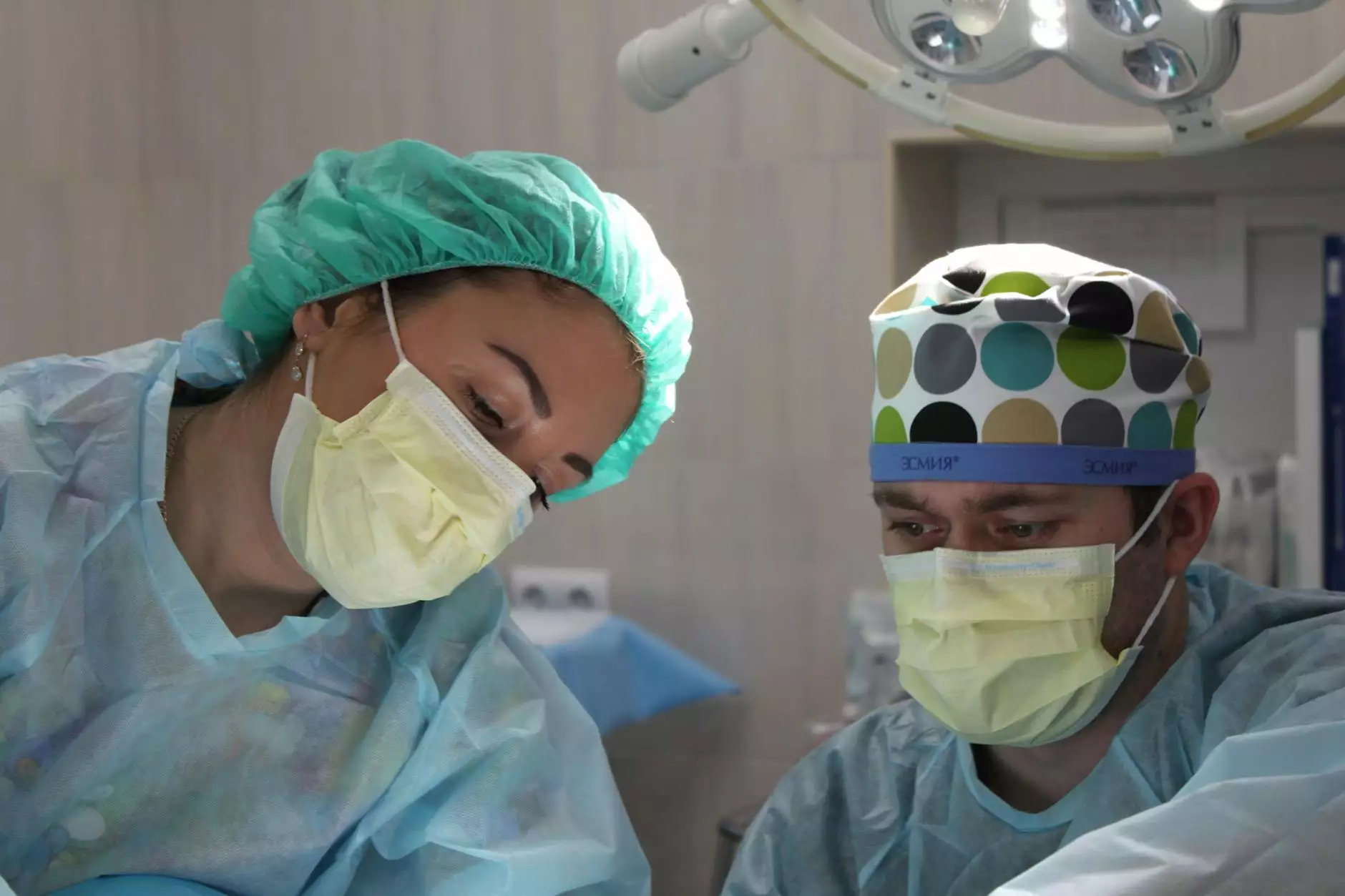
Hysteroscopy is a vital gynecological procedure that allows for the inspection of the interior of the uterus. This minimally invasive examination is conducted using a hysteroscope, a thin, lighted tube that is inserted through the vagina and cervix into the uterus. In this article, we will delve deep into the details of the hysteroscopy procedure in New York, its applications, benefits, and what patients can expect during and after the procedure.
What Is Hysteroscopy?
Hysteroscopy is primarily used for diagnosing and treating conditions affecting the uterus. It provides a clear look at the uterine lining and can be crucial for detecting abnormalities and guiding treatment options. The procedure can be done in an office setting or an outpatient surgical center, depending on the complexity of the issue being addressed.
Types of Hysteroscopy
There are two main types of hysteroscopy:
- Diagnostic Hysteroscopy: This is a procedure used purely for evaluation purposes to diagnose conditions such as uterine fibroids, polyps, and abnormal uterine bleeding.
- Operative Hysteroscopy: This procedure is performed to treat uterine issues identified during a diagnostic hysteroscopy. Treatments may include removing fibroids or polyps and correcting uterine abnormalities.
Indications for Hysteroscopy
There are several indications for performing a hysteroscopy, including:
- Abnormal Bleeding: If a patient experiences heavy periods, bleeding between cycles, or post-menopausal bleeding, hysteroscopy can help identify the underlying cause.
- Uterine Fibroids and Polyps: Hysteroscopy can be utilized to remove fibroids and polyps that may be causing symptoms.
- Recurrent Miscarriages: Women with a history of recurrent miscarriages may undergo hysteroscopy to evaluate for anatomical abnormalities.
- Intrauterine Scarring (Asherman’s Syndrome): This condition can be diagnosed and treated during a hysteroscopy.
Preparing for the Hysteroscopy Procedure
Preparation for a hysteroscopy involves a few important steps. Patients should:
- Consult with their healthcare provider to discuss their medical history and any medications they are taking.
- Avoid sexual intercourse, douching, and using tampons for at least 24 hours before the procedure.
- Arrive with a full bladder unless instructed otherwise, as this can aid in better visualization of the uterus.
The Hysteroscopy Procedure: Step-by-Step
The hysteroscopy procedure in New York generally follows these steps:
- Preparation: Patients change into a gown and are typically positioned in a manner similar to that of a pelvic exam.
- Anesthesia: Depending on the situation, local anesthesia may be used, or the procedure might be performed under general anesthesia.
- Insertion of the Hysteroscope: The hysteroscope is gently inserted through the vagina and cervix into the uterus. The doctor will inflate the uterus with saline solution to better visualize the interior.
- Examination: The doctor inspects the uterine lining and may take biopsies or perform treatments as necessary.
- Completion: After the procedure, the hysteroscope is removed, and the patient is monitored briefly before being discharged.
Benefits of Hysteroscopy
There are numerous benefits associated with the hysteroscopy procedure in New York, including:
- Accurate Diagnosis: Hysteroscopy allows for direct visualization and precise diagnosis of uterine conditions.
- Minimally Invasive: Compared to traditional surgical methods, hysteroscopy offers a less invasive option with shorter recovery times.
- Immediate Treatment: Operative hysteroscopy can address issues during the same visit, eliminating the need for additional procedures.
- Reduced Hospital Stay: Most hysteroscopies are outpatient procedures, allowing patients to return home the same day.
Recovery After Hysteroscopy
After the procedure, patients may experience some cramping and light spotting, which is typically normal. Specific post-procedure care may include:
- Monitoring Symptoms: Patients should be aware of their symptoms and report any severe pain, fever, or heavy bleeding to their doctor.
- Rest: Taking it easy for the rest of the day is usually recommended.
- Avoiding Certain Activities: Patients should avoid sexual intercourse, tampons, and douching for at least one week or as advised by their healthcare provider.
Choosing the Right Specialist for Hysteroscopy in New York
When selecting a specialist for the hysteroscopy procedure in New York, it is essential to choose an experienced gynecologist. Dr. Seckin, renowned for his expertise and compassionate care, stands out in the field of obstetrics and gynecology. His clinic is equipped with state-of-the-art technology, ensuring that each patient receives the best possible care tailored to their needs.
Conclusion
Hysteroscopy is a powerful diagnostic and therapeutic tool in gynecology. Its ability to provide immediate insights into uterine health while minimizing discomfort and recovery time makes it an essential procedure for many women. If you are considering a hysteroscopy, consult with a qualified healthcare professional like Dr. Seckin, who can guide you through the process with expertise and care. For anyone searching for the hysteroscopy procedure in New York, Dr. Seckin's clinic is an exemplary choice.
Contact Us for More Information
If you're interested in learning more about how the hysteroscopy procedure can benefit you, please visit drseckin.com for more details or to schedule your consultation today.
hysteroscopy procedure new york