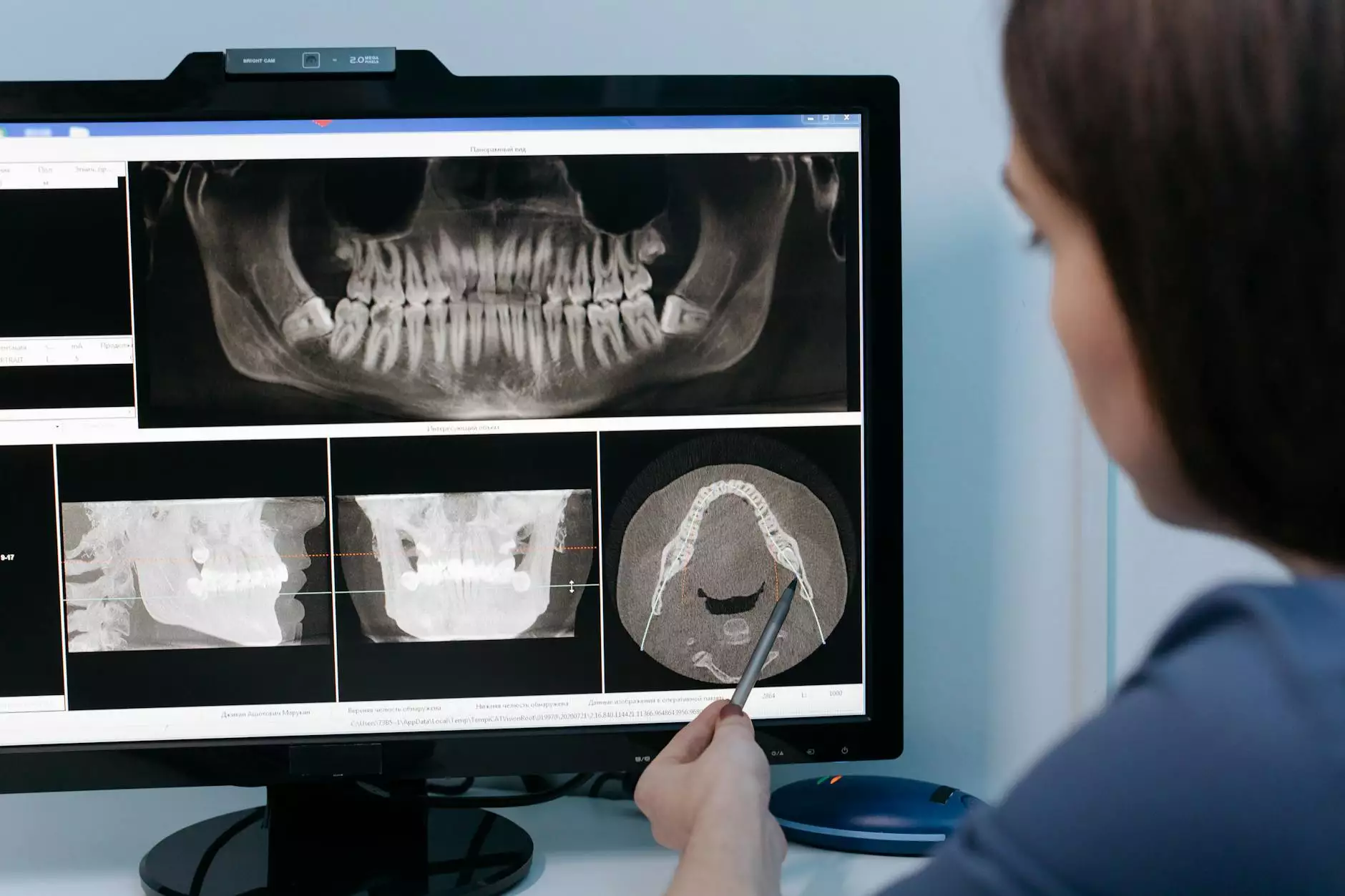
The Importance of Lung CT Scans in Modern Medicine

The landscape of healthcare continues to evolve, and among the plethora of diagnostic tools, lung CT scans stand out as a crucial component in identifying various pulmonary and respiratory conditions. Understanding the multifaceted roles that these scans play can empower both patients and healthcare providers alike, fostering better health outcomes and enhanced quality of life.
What is a Lung CT Scan?
A lung CT scan, or computed tomography scan, is an advanced imaging technique that utilizes X-ray technology to produce detailed cross-sectional images of the lungs. Unlike conventional X-rays, which can only provide limited views, a CT scan offers high-resolution, 3D images that can reveal intricate details about lung structures, including tissues, blood vessels, and airways.
How Does a Lung CT Scan Work?
The process of obtaining a lung CT scan involves the following steps:
- Preparation: Patients are typically required to remove any metal objects that could interfere with imaging. Sometimes, a contrast dye may be administered to enhance visibility.
- Scanning Process: Patients lie on a narrow table that slides into the CT machine. During the scan, painless X-rays rotate around the body, sending images to a computer for processing.
- Analysis: Radiologists analyze the resulting images to identify any abnormalities or diseases affecting lung health.
Why is a Lung CT Scan Essential?
Lung CT scans play a critical role in modern diagnostic medicine. Here’s why:
1. Early Detection of Lung Diseases
Early detection of conditions such as lung cancer, chronic obstructive pulmonary disease (COPD), and pulmonary embolism has proven to be vital. Lung CT scans can identify these conditions much earlier than other diagnostic methods, significantly improving treatment options and survival rates.
2. Diagnostic Accuracy
CT scans can pinpoint the size, shape, and location of tumors and other abnormalities with greater accuracy than standard X-rays. This enhanced precision allows healthcare providers to tailor their diagnostic approaches more effectively.
3. Evaluation of Symptoms
Patients exhibiting symptoms such as persistent cough, unexplained weight loss, or chronic respiratory discomfort can benefit from a lung CT scan. This investigation can help identify the underlying causes, providing much-needed clarity for both patients and physicians.
Applications of Lung CT Scans in Various Medical Fields
Lung CT scans are invaluable across multiple domains of healthcare, significantly contributing to health and medical, sports medicine, and physical therapy.
Health & Medical
In general health care, lung CT scans are used for:
- Cancer Screening: High-risk individuals, such as heavy smokers over the age of 55, may undergo annual screening with low-dose CT scans to catch lung cancers early.
- Chronic Disease Management: For patients with COPD or interstitial lung disease, CT scans assist in monitoring disease progression and treatment efficacy.
Sports Medicine
Athletes often face unique respiratory challenges. The implementation of lung CT scans in sports medicine can pinpoint conditions that may affect performance, such as:
- Asthma Diagnosis: Determining the presence of exercise-induced bronchoconstriction through detailed imaging.
- Trauma Assessment: Evaluating potential lung injuries following incidents like collisions in contact sports.
Physical Therapy
Patients recovering from lung-related ailments can also benefit from lung CT scans as part of their treatment plan:
- Guided Rehabilitation: Physical therapists can utilize scan results to tailor rehabilitation programs for patients recovering from surgeries or lung diseases.
- Progress Tracking: Follow-up scans help assess improvements in lung capacity and function post-rehabilitation.
The Future of Lung CT Scans: Innovation on the Horizon
The field of radiology continues to innovate with advancements that enhance the efficacy of lung CT scans. Here are some exciting prospects:
1. Artificial Intelligence Integration
AI technology is being utilized to assist radiologists in interpreting CT images, potentially improving accuracy and diagnosing complex conditions faster than ever before.
2. Enhanced Imaging Techniques
The development of new imaging techniques promises even higher-resolution scans that can detect abnormalities at earlier stages—leading to timely interventions.
Benefits and Risks of Lung CT Scans
While lung CT scans provide numerous benefits, it’s essential to consider any associated risks:
Benefits
- Comprehensive Diagnostic Information: Results are often conclusive, guiding treatment decisions.
- Minimal Discomfort: The scan is non-invasive and generally takes only a few minutes.
- Time-Efficient: Rapid imaging allows for prompt diagnosis and subsequent treatment planning.
Risks
- Radiation Exposure: As with any X-ray procedure, there is a small exposure to radiation, though the risk is minimal for low-dose scans.
- False Positives: Occasionally, CT scans may identify non-cancerous abnormalities, leading to unnecessary anxiety and additional tests.
Conclusion: The Indispensable Role of Lung CT Scans
In conclusion, lung CT scans serve as an indispensable tool in modern healthcare. They enhance our ability to diagnose and manage a wide array of pulmonary conditions effectively. For anyone concerned about lung health or exhibiting potential symptoms, discussing the option of a lung CT scan with a healthcare professional is a proactive approach that may save lives. Healthcare providers at reputable institutions like Hello Physio can guide you through the process and ensure that you receive the best possible care tailored to your individual needs.
Valuing the significance of lung CT scans allows us to harness their potential for early detection and accurate diagnosis, ultimately leading to improved patient outcomes in respiratory health.