Understanding the Importance of Disabled Platform Lifts in Personal Care Services
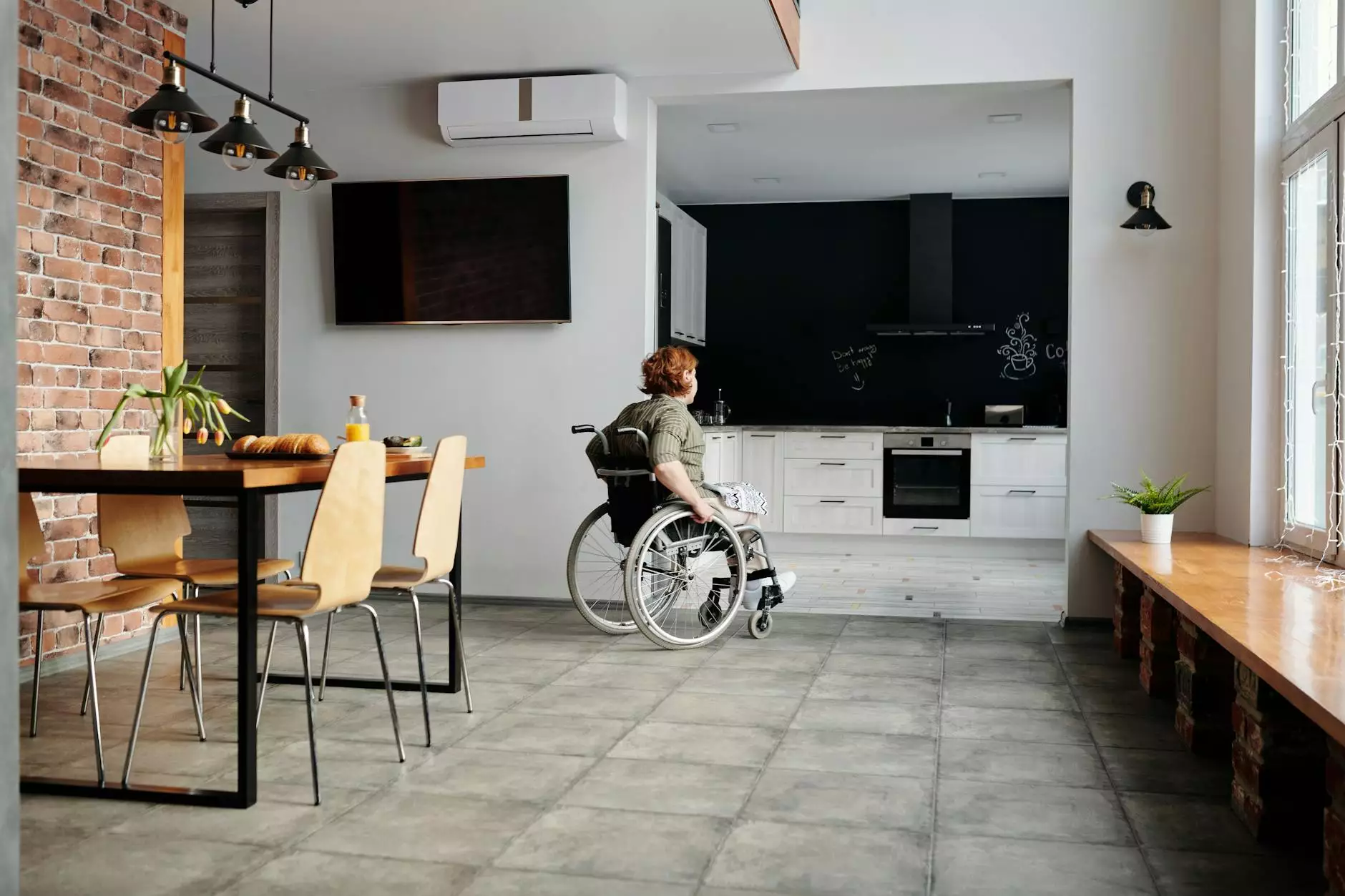
In the modern world, accessibility has become a crucial aspect of every building and community, enabling everyone to live with dignity and independence. One of the pivotal developments in this realm has been the innovation of disabled platform lifts. These remarkable devices play a significant role in facilitating mobility for individuals with disabilities. Beyond ensuring compliance with regulations, they enhance the quality of life, especially in sectors like personal care services, home health care, and elder care planning.
The Need for Accessibility in Today’s Society
Accessibility is no longer just a luxury; it’s a necessity. With over 60 million people in the United States living with some form of disability, it’s essential for communities and businesses to ensure inclusivity.
- Personal Care Services: Individuals require consistent support to maintain their dignity and independence.
- Home Health Care: Patients depend on mobility solutions for treatment and rehabilitation within their homes.
- Elder Care Planning: As the population ages, more seniors need accessible solutions to navigate their living spaces.
The Functionality of Disabled Platform Lifts
A disabled platform lift, also known as a wheelchair lift, is designed to assist individuals in moving between different levels of a building safely. These lifts are essential in various environments ranging from private homes to public buildings. Unlike traditional elevators, platform lifts offer a more compact solution for spaces that may not accommodate a full elevator installation.
How Do Disabled Platform Lifts Work?
These lifts use a straightforward mechanism to move users vertically. Typically, the operation involves a platform that raises and lowers, controlled by either a simple push button or a remote control. Key features include:
- Safety: Equipped with railings, non-slip surfaces, and emergency stop buttons.
- Accessibility: Designed to accommodate various mobility devices such as wheelchairs and scooters.
- Versatility: Can be installed indoors or outdoors, in staircases, or as freestanding units.
Benefits of Using Disabled Platform Lifts
Investing in disabled platform lifts brings a myriad of benefits, particularly in personal care and elder care environments:
- Enhanced Mobility: Allows individuals to traverse multi-level buildings, ensuring they have access to all areas without dependence on others.
- Independence: Empowers users by providing them with the autonomy to move freely.
- Compliance: Ensures businesses meet ADA (Americans with Disabilities Act) guidelines, reducing legal risks.
- Increased Property Value: Accessible buildings are more attractive to a broader audience, enhancing marketability.
Choosing the Right Disabled Platform Lift
When selecting a disabled platform lift, several factors come into play. Understanding your specific needs and the lift's specifications can significantly impact user experience and safety.
Key Factors to Consider:
- User Weight Capacity: Ensure the lift can accommodate the user’s weight along with any mobility device.
- Dimensions: Measure the space available to ensure the lift fits without obstructing other pathways.
- Power Options: Some lifts offer battery backup for uninterrupted service during power outages.
Installation Considerations
Proper installation of the disabled platform lift is crucial. Engage professional installers who understand building codes and safety regulations to ensure compliance. Furthermore, consider the maintenance needs; regular inspections ensure safety and longevity.
Case Studies: Real-World Applications
To illustrate the positive impact of disabled platform lifts, let's explore some real-world examples:
1. Home Health Care Provider
A local home health care provider installed platform lifts in client homes, significantly improving access to different floors for elderly patients. As a result, patients could receive medical treatment without relying on family members or caregivers to assist them up and down stairs.
2. A Community Center for Seniors
A community center dedicated to elderly citizens upgraded their facilities with disabled platform lifts. This facilitated greater participation in activities and programs among attendees who previously faced mobility challenges.
3. Assisted Living Facilities
One assisted living facility reported a marked increase in resident satisfaction after installing platform lifts. The ability to access all communal areas independently led to greater engagement and a sense of community among residents.
Conclusion: The Future of Mobility Solutions
As we move toward a more inclusive society, the role of disabled platform lifts in personal care services, home health care, and elder care planning becomes ever more critical. By prioritizing accessibility, we empower individuals to lead fulfilling lives, engage actively in their communities, and maintain their independence.
With the advances in technology and design, the options for incorporating these vital lifts into our environments are expanding. Investing in a disabled platform lift not only demonstrates a commitment to inclusivity but also enhances the overall usability and functionality of any building or facility. As a business leader within the sectors of personal care services, home health care, and elder care planning, making this investment is not just an ethical responsibility but a savvy business decision.
For more information on choosing the best disabled platform lifts for your needs, or to explore how your business can benefit from such installations, visit expressramps.com.