What is Dry for Wheat? Understanding the Importance of Dry Conditions in Wheat Farming
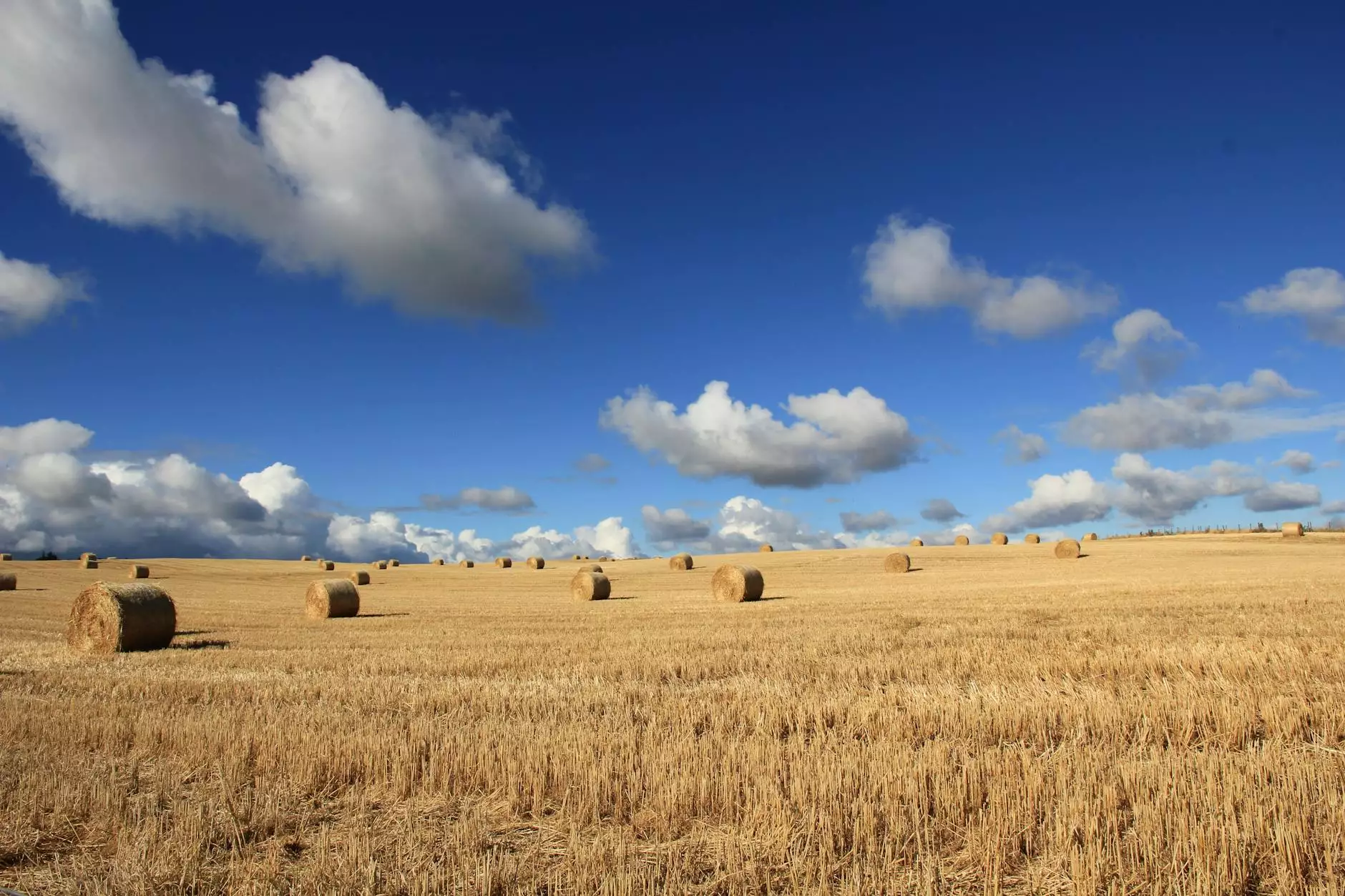
Wheat is one of the most important crops cultivated globally, serving as a staple food for millions and a key ingredient in various products. Understanding what is dry for wheat is crucial for farmers and agricultural professionals alike, as it directly influences yield and quality. This article delves into the factors affecting wheat dryness, the significance of maintaining proper moisture content, and the best practices in farming and equipment repair that ensure optimal wheat production.
The Significance of Dry Conditions for Wheat
Wheat growth is profoundly impacted by moisture levels in the soil and in the grain itself. Farmers must understand what is dry for wheat to maximize their harvest. Here are a few reasons why dry conditions are essential:
- Optimal Harvesting: Excess moisture in wheat can lead to issues during harvesting. Wet grain can cause machinery breakdown and result in increased spoilage and reduced market value.
- Grain Quality: Wheat that is harvested at the correct dryness has improved quality, flavor, and nutritional value. It is less susceptible to mold and degradation during storage.
- Pest Management: Dry conditions discourage the growth of pests and pathogens that thrive in moist environments, thus protecting the crop from infestations.
What are the Ideal Dryness Levels for Wheat?
The ideal moisture content for harvested wheat typically falls between 13% to 15%. If the moisture content exceeds this range, it can lead to quality issues and increased loss during storage. Here's a breakdown of the effects of varying moisture levels:
Moisture Content Breakdown
Moisture Content (%)ImpactAbove 15%Increased risk of spoilage, mold growth, and lower market prices.13% to 15%Optimal for harvesting, storing, and selling quality wheat.Below 13%Possibly too dry, leading to brittleness and breakage during handling.Factors Influencing Wheat Dryness
Several environmental and management factors can influence the moisture content in wheat. Understanding these is vital to successful farming practices:
1. Weather Conditions
Weather plays a significant role in the moisture content of wheat. Extended periods of rain can lead to wet conditions, while dry weather can help in reaching optimal dryness.
2. Soil Health
Healthy soil promotes better moisture retention and drainage, influencing how quickly the crop can dry. Properly maintained soil will support healthier plants, leading to more uniform drying.
3. Harvesting Techniques
The timing of the harvest is crucial. Farmers must monitor weather forecasts and soil conditions closely to determine the best time to harvest for dryness. Techniques such as using moisture meters can assist in this decision.
Best Practices for Managing Wheat Dryness
To achieve proper dryness in wheat, farmers should adopt several best practices:
1. Use of Technology
Investing in modern farming equipment is essential. Technologies such as moisture meters and automated harvesters can provide real-time data on the moisture levels of wheat, allowing for timely harvesting.
2. Farm Equipment Repair
Regular maintenance and repair of farming equipment are vital. Well-functioning machinery ensures that harvesting is done at the right time and in the right manner, which is critical for maintaining wheat dryness.
3. Storage Conditions
Proper storage facilities that control humidity and temperature can protect harvested wheat from moisture absorption and spoilage. It is important to store grain in cool, dry conditions to maintain quality.
Recommended Farming Equipment for Harvesting Dry Wheat
To successfully manage wheat dryness and optimize harvest, certain types of farming equipment are recommended:
- Combine Harvesters: These are essential for efficiently harvesting wheat. Modern combines can measure moisture content and adjust operations accordingly.
- Moisture Meters: Portable moisture meters allow farmers to quickly check the moisture level of wheat both in the field and post-harvest.
- Grain Bins: Proper grain bins with moisture control features help to maintain optimal storage conditions for dried wheat.
- Airflow Systems: Appropriate airflow systems in storage facilities can reduce humidity and further maintain the desired dryness of wheat.
The Role of Agricultural Practices in Wheat Dryness
Alongside equipment, agricultural practices significantly affect the moisture levels in wheat. Incorporating sustainable practices can lead to better long-term results:
1. Crop Rotation
Implementing crop rotation with legumes can improve soil health and moisture retention for subsequent wheat crops.
2. Cover Cropping
Using cover crops improves soil structure, enhances moisture retention when required, and can improve drainage during heavy rains.
3. Conservation Tillage
Reducing tillage disrupts soil structure less, helping retain moisture and improve drainage, facilitating better conditions for wheat growth.
Conclusion
In conclusion, understanding what is dry for wheat is crucial for maximizing the quality and yield of this essential crop. By utilizing modern technology, effective farming equipment, and sustainable agricultural practices, farmers can improve their chances of harvesting wheat at the optimal moisture content. As we move forward into an era where agricultural technology is evolving rapidly, staying informed about best practices and innovations will ensure that wheat farmers not only meet but exceed their production goals.
For more information on farming equipment repair or to inquire about our services, visit tsgcinc.com.