The Versatile Benefits of Psilocybin Mushrooms: Unlocking Health, Wellness, and More
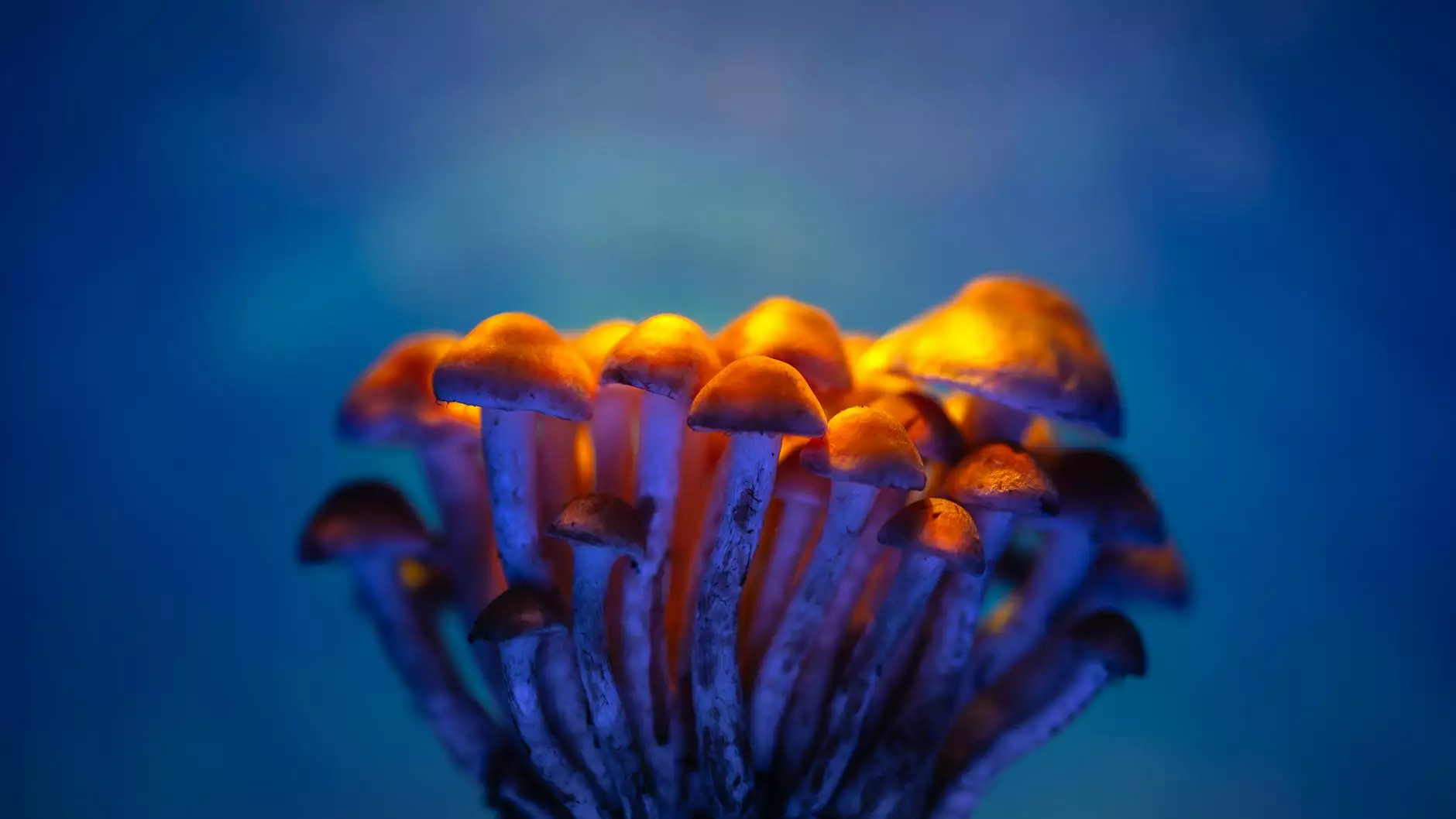
Psilocybin mushrooms, often referred to as magic mushrooms, have sparked a global interest in recent years. Their ability to alter perception and cognition has led to a renewed examination of their health benefits, paving the way for exciting developments in various fields, including health & medical applications.
Understanding Psilocybin Mushrooms
At the heart of psilocybin mushrooms is psilocybin, a naturally occurring psychedelic compound that transforms into psilocin once ingested. This compound is primarily responsible for the unique mind-altering effects. Found in over 180 species of mushrooms, they are notable for their historical and cultural significance across various societies, particularly in spirituality and healing practices.
The Biological Mechanism of Action
Psilocybin functions by interacting with serotonin receptors in the brain, specifically the 5-HT2A receptor. This interaction leads to changes in mood, perception, and thought processes. It can promote vivid visual experiences and profound insights, contributing to its therapeutic potential. Extensive research reveals psilocybin's ability to enhance emotional processing and reduce anxiety, making it a focal point in mental health conversations.
Health Benefits of Psilocybin Mushrooms
The resurgence of research into the benefits of psilocybin mushrooms underscores their potential not just as a recreational substance but as a legitimate component of mental health treatment and overall wellness. Below are several key areas where these mushrooms are making an impact:
1. Mental Health Treatment
Recent clinical trials indicate that psilocybin can significantly alleviate symptoms associated with various mental health disorders, including:
- Depression: Studies show that psilocybin therapy can lead to substantial reductions in depression symptoms, often within a single session.
- Anxiety: Patients suffering from anxiety, especially those facing terminal illnesses, reported less anxiety and improved quality of life after psilocybin treatment.
- PTSD: Research is increasingly exploring psilocybin's potential in treating post-traumatic stress disorder, with promising early results.
2. Enhanced Cognitive Flexibility
Individuals using psilocybin mushrooms often experience heightened cognitive flexibility, allowing them to think outside the box. This characteristic can be incredibly beneficial in:
- Creative Professionals: Artists, writers, and innovators may find inspiration and new perspectives that enhance their creative output.
- Problem Solving: Enhanced cognitive flexibility allows individuals to tackle complex problems more creatively.
3. Harm Reduction
Compared to many recreational drugs, psilocybin has a low potential for addiction or harmful behavior. This makes it a safer alternative for those seeking to explore altered states of consciousness without the dangers associated with substances like alcohol or opiates. Organizations advocating for harm reduction suggest that psilocybin can be a tool for responsible exploration.
4. Spiritual and Personal Growth
For many, the experiences induced by psilocybin can lead to profound insights and a deeper understanding of oneself and the universe. Users often report:
- Increased Connectivity: Many people describe feelings of interconnectedness with others and the world.
- Life Transformation: Individuals often undergo significant shifts in perspective that lead to long-term changes in values and priorities.
Psilocybin Mushrooms in Home and Garden
Besides their mental health benefits, psilocybin mushrooms also have a place in home gardening and sustainable practices. Many enthusiasts are curious about cultivating these mushrooms at home. While the legality of growing psilocybin mushrooms varies globally, those in supportive jurisdictions can explore this fascinating hobby. Here’s what potential growers should consider:
1. Learning the Basics
If you are considering cultivation, it is essential to understand the biological needs of psilocybin mushrooms. They thrive in controlled environments with specific temperature, humidity, and light conditions. Resources are available that detail cultivation techniques, including:
- Substrate Preparation: Selecting the right materials (such as brown rice flour and vermiculite) for optimal growth.
- Inoculation: Understanding how to introduce spores to the substrate to facilitate growth.
- Casing and Fruiting: Learning how to manage the setting once the mushrooms mature to encourage fruiting.
2. Sustainability Practices
The cultivation of psilocybin mushrooms can align with sustainable gardening practices. By growing at home, individuals can:
- Reduce Carbon Footprint: Home cultivation can lead to less environmental impact than commercial farming.
- Promote Biodiversity: Cultivating various strains encourages genetic diversity in the mushroom ecosystem.
The Future of Psilocybin Mushrooms in Medical Supplies
The potential incorporation of psilocybin into medical supplies and practices suggests a paradigm shift in healthcare. Attention is increasingly turning to how psilocybin can be utilized in clinical settings to enhance patient care. Here’s how:
1. Clinical Use in Therapy
Healthcare professionals are beginning to explore structured therapeutic protocols utilizing psilocybin mushrooms. Probably the most compelling is their use in combination with psychotherapy, where the mushroom experience complements traditional therapeutic practices.
2. Research and Development
Ongoing research aims to identify clear protocols and dosage for effective treatment using psilocybin. As the regulatory landscape evolves, we may see:
- Pharmaceutical Applications: Development of psilocybin-based medications that cater specifically to mental health needs.
- Integration into Treatment Plans: Offering psilocybin therapy as an option in comprehensive mental health treatment plans.
Legal and Regulatory Landscape
The legal status of psilocybin mushrooms varies widely across different regions. In some areas, there have been significant shifts toward decriminalization or legalization for therapeutic use, reflecting changing public perceptions. Advocates argue for the necessity of:
- Informed Legislation: Policymakers need to consider the vast body of research supporting the benefits of psilocybin.
- Access for Patients: Ensuring that those who may benefit from psilocybin therapy can access it legally and safely.
Conclusion
Psilocybin mushrooms represent a groundbreaking advancement in our understanding of mental health, personal development, and sustainable practices. As the research continues to unveil their vast potential, the dialogue surrounding psilocybin mushrooms is becoming increasingly important in various sectors, including healthcare, wellness, and home gardening.
Whether you are a health enthusiast, a mental health professional, or someone curious about plant-based alternatives, the exploration into the world of psilocybin mushrooms is just beginning. Embracing research, education, and responsible usage could lead to transformative experiences for many. As we move forward, the combined efforts of researchers, hobbyists, and consumers will ultimately shape the future of this incredible organism.