Insecticide for Rice Bug: A Comprehensive Guide to Protecting Your Rice Crops
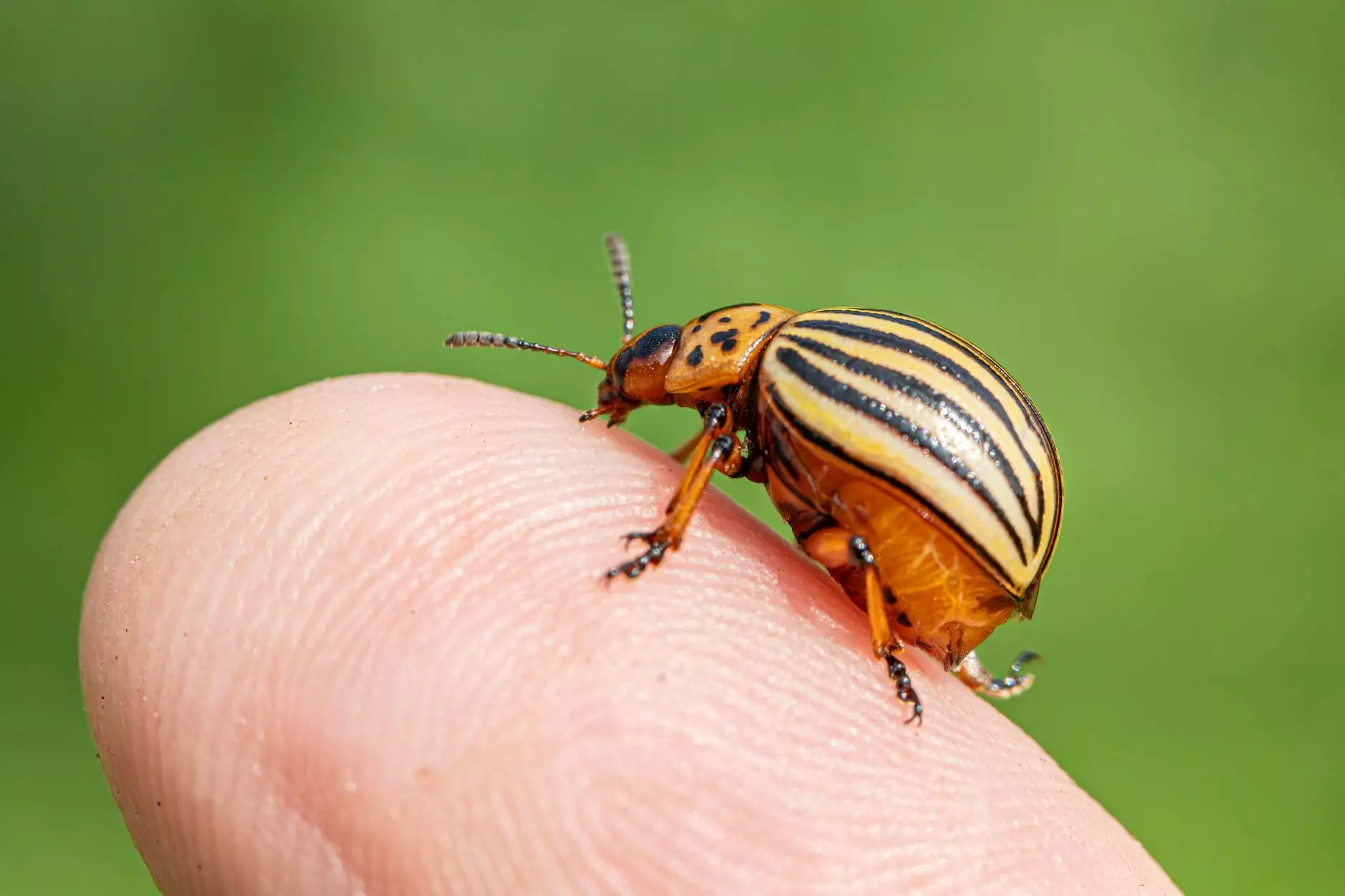
As a rice farmer, ensuring the health of your crops is of paramount importance. Among the numerous challenges faced, the rice bug, or *Leptocorisa oratorius*, poses a significant threat, leading to potential losses in yield and quality. In this article, we will explore the best insecticides for rice bug, effective strategies for their application, and how proper farming equipment can aid in crop protection.
Understanding the Rice Bug
Rice bugs are notorious pests known for their ability to damage rice plants. They primarily feed on the sap of rice grains, resulting in:
- Discoloration of rice grains
- Reduced grain weight
- Overall stunted growth of the plant
- Increased susceptibility to diseases
The life cycle of the rice bug is rapid, with adults laying eggs on the rice panicles. This necessitates timely intervention to mitigate their impact.
The Importance of Using Insecticides
Utilizing the right insecticide for rice bug is crucial. Here are a few reasons why effective pest management should be a priority:
- Improved Yields: Effective insecticides help safeguard against significant crop damage, ensuring high yields.
- Quality Assurance: Insects like the rice bug can compromise the quality of the grains, necessitating stringent pest control measures.
- Resistance Management: Rotating different insecticide modes of action can help prevent pests from developing resistance.
Choosing the Right Insecticide
When selecting an insecticide for rice bugs, consider the following options:
1. Chemical Insecticides
Chemical insecticides are often the first line of defense. Some popular options include:
- Pyrethroids: These are among the most popular choices due to their effectiveness and quick action.
- Neonicotinoids: Known for their systemic action, providing long-lasting control.
- Insect Growth Regulators (IGRs): These disrupt the growth and development of the pests, preventing them from reaching maturity.
2. Biological Control
Using natural predators or parasites to control rice bug populations can be an effective, environmentally friendly solution. Entomopathogenic nematodes and certain wasps have shown promise in controlling rice bug populations without harming the ecosystem.
3. Cultural Practices
Integrating pest management strategies with cultural practices can augment the efficacy of insecticides. These include:
- Crop Rotation: Changes in planting schedules can disrupt the life cycle of the rice bug.
- Field Hygiene: Removing debris and old crop residues can limit habitat for pests.
- Water Management: Proper irrigation practices can deter the rice bug, which thrives in overwatered areas.
Application Techniques for Insecticides
The effectiveness of an insecticide largely depends on its application. Here are some essential techniques:
1. Timing
Applying insecticides at the right time, particularly during the early stages of rice bug infestation, is crucial. Regular monitoring of rice crops for signs of infestation can guide timely applications.
2. Spraying Methods
Consider the following methods for effective spraying:
- Ground Spraying: Using sprayers designed for agricultural use can ensure uniform coverage.
- Aerial Spraying: For large farms, this method can be effective in reaching all areas quickly.
3. Dosage and Mixtures
Following recommended dosages is essential. Mixing certain insecticides can enhance their effectiveness, but always check compatibility to avoid phytotoxicity.
Safe Handling and Environmental Considerations
When applying insecticides for rice bugs, safety is paramount. Here are some guidelines:
- Personal Protective Equipment (PPE): Always wear gloves, masks, and goggles to prevent exposure.
- Environmental Impact: Avoid applying insecticides during windy conditions to prevent drift.
- Resistant Crop Varieties: Consider integrating genetically resistant rice strains as part of an integrated pest management approach.
Enhancing Effectiveness Through Farming Equipment
While insecticides play an essential role in pest control, the efficiency of application can significantly enhance their effectiveness. Here’s where proper farming equipment comes into play:
1. Sprayer Technology
Utilizing advanced sprayer technology can ensure optimal application of insecticides. For instance, using drift control nozzles can help minimize spray drift, ensuring that more of the insecticide reaches the target.
2. Maintenance of Equipment
Regularly servicing and maintaining your farming equipment ensures optimal performance and longevity. This includes cleaning, checking for leaks, and calibrating your sprayers.
3. Precision Agriculture Tools
The integration of precision agriculture tools such as drones and satellite imaging can help identify pest hotspots, allowing for targeted insecticide applications and thus reducing costs and environmental impact.
Conclusion: Staying Ahead of Rice Bugs
Managing rice bugs requires a comprehensive approach that combines the right insecticides with effective farming practices and equipment. By staying informed about the latest products and techniques, you can protect your crops against these destructive pests and maximize your yields. At TSGC Inc., we understand the importance of effective pest management and offer farm equipment repair services to ensure your equipment performs optimally. Let's cultivate a future where our rice farms thrive!