The Power of Curcuma in Combating Alzheimer's Disease
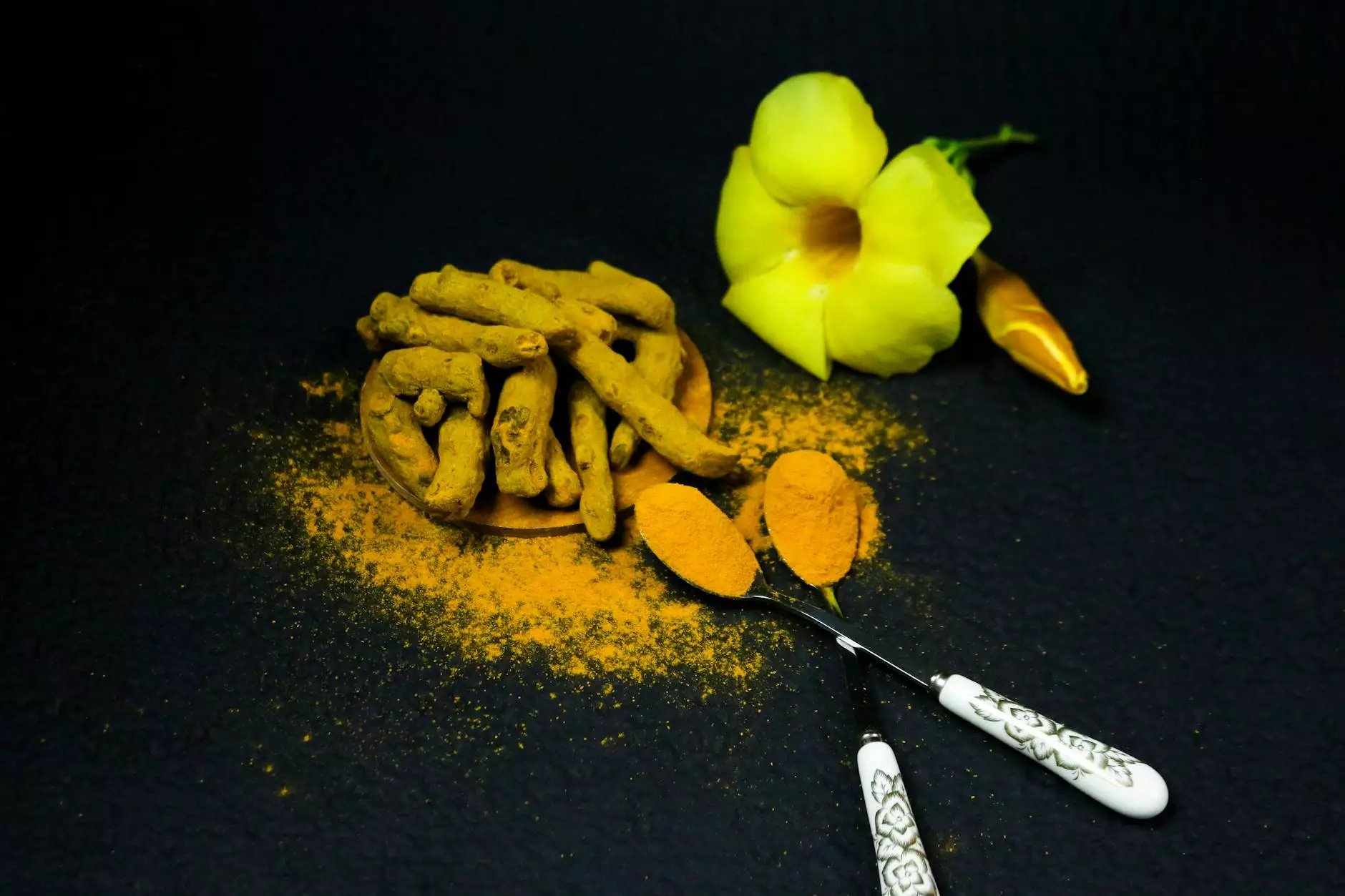
Curcuma (curcumin), the active compound found in turmeric, has garnered significant attention in recent years for its potential health benefits, particularly in relation to brain health and the debilitating condition known as Alzheimer's disease. This article will delve deep into the fascinating relationship between curcuma and Alzheimer's, exploring scientific findings, health implications, and practical advice for incorporating this powerhouse into our diets.
Understanding Curcuma (Curcumin)
Curcuma, commonly recognized for its vibrant yellow color and popularity in culinary uses, particularly in Southeast Asian cuisine, is derived from the root of the Curcuma longa plant. Beyond its culinary applications, the active ingredient curcumin is celebrated for its remarkable anti-inflammatory and antioxidant properties. These qualities position curcumin as a promising candidate for supporting brain health and combating neurodegenerative diseases.
Alzheimer's Disease: A Growing Concern
Alzheimer's disease is a progressive neurological disorder that leads to cognitive decline, memory loss, and ultimately a loss of independence. According to the World Health Organization (WHO), Alzheimer's affects millions across the globe, and its prevalence is expected to increase as populations age. This escalating crisis necessitates an urgent exploration of viable interventions and preventive measures.
Symptoms and Consequences of Alzheimer’s
- Memory Loss: Short-term memory is often the first to be affected, leading to difficulties in recalling recent events.
- Challenges in Problem Solving: Individuals may struggle with planning, following a recipe, or managing finances.
- Language Difficulties: Finding words can become challenging, affecting communication and social interactions.
- Disorientation: Individuals may become confused about time or place, impacting their ability to function independently.
- Changes in Mood and Personality: Depression, anxiety, and social withdrawal are common as the disease progresses.
The Mechanism: How Curcuma (Curcumin) Affects the Brain
Research has suggested that curcumin may hold promise in mitigating the effects of Alzheimer's disease through several mechanisms:
1. Anti-Inflammatory Properties
Chronic inflammation is a significant factor in the progression of Alzheimer’s. Curcumin exhibits strong anti-inflammatory effects, potentially reducing neuroinflammation and protecting brain cell integrity.
2. Antioxidant Effects
Oxidative stress is another culprit in Alzheimer’s pathology. Curcumin acts as a potent antioxidant, combating free radicals and preventing oxidative damage to neuronal cells.
3. Amyloid Plaque Reduction
A hallmark of Alzheimer’s disease is the accumulation of amyloid-beta plaques in the brain. Studies have indicated that curcumin may facilitate the clearance of these toxic proteins, thereby slowing disease progression.
Scientific Studies Supporting Curcuma for Alzheimer’s Health
Numerous studies have explored the impact of curcumin on cognitive function and its potential role in Alzheimer's management:
Clinical Trials and Findings
A range of clinical trials has reported promising findings. For instance, a study published in the journal *American Journal of Geriatric Psychiatry* demonstrated significant cognitive improvement in patients with mild to moderate Alzheimer's after supplementation with curcumin over 12 months. The participants exhibited better memory and cognitive abilities, highlighting the potential benefits of curcuma as a therapeutic agent.
Animal Studies
In preclinical studies, animal models of Alzheimer’s have shown that curcumin can reduce the formation of amyloid plaques and improve memory deficits. Such findings underscore the necessity for further exploration in human subjects.
Incorporating Curcuma into Your Daily Routine
For those looking to leverage the benefits of curcuma in their diet, here are several practical tips:
1. Turmeric Supplements
Using curcumin supplements can provide a concentrated dose of curcumin without needing to consume large amounts of turmeric. It’s crucial to select high-quality products that contain piperine (black pepper extract) to enhance curcumin absorption.
2. Culinary Uses
Integrating turmeric into everyday cooking can be easy and delicious. Here are a few ideas:
- Add turmeric powder to soups and stews for flavor along with health benefits.
- Mix turmeric into smoothies for a health boost.
- Use turmeric in marinades for meats or tofu.
3. Golden Milk
A popular beverage known as golden milk consists of turmeric, milk (dairy or plant-based), honey, and spices. It’s not only a comforting drink but may also support cognitive health.
FAQs About Curcuma and Alzheimer’s
1. Is curcumin safe for everyone?
While curcumin is generally considered safe, individuals with specific health conditions or taking certain medications should consult with a healthcare professional before starting supplementation.
2. Can curcuma cure Alzheimer's?
While curcuma has shown potential benefits in supporting cognitive health, it is essential to understand that it is not a cure for Alzheimer’s. It can be part of a broader health regimen.
3. How long does it take to see benefits from curcumin?
Results can vary among individuals. Some studies suggest noticeable improvements may appear within a few months of consistent supplementation.
The Future of Curcuma Research and Alzheimer’s
The ongoing exploration of the relationship between curcuma, curcumin, and Alzheimer's holds great promise. As research advances, more conclusive evidence regarding the efficacy, optimal dosing, and long-term safety of curcumin on cognitive health will undoubtedly emerge.
Conclusion
In summary, curcuma (curcumin) represents a fascinating natural compound with the potential to support brain health and potentially mitigate the progression of Alzheimer's disease. By incorporating curcumin into our diets through food or supplements, we may foster a proactive approach towards cognitive health as we age. Continued research will hopefully solidify its standing as a key player in the fight against Alzheimer's, ultimately leading us toward a future with better cognitive health options.
curcuma alzheimer