Understanding **Bulk Material Handling** in Today's Industries

The term bulk material handling encompasses a range of processes and systems designed to manage large quantities of materials efficiently. In industries such as electronics and 3D printing, the demand for effective material handling solutions is critical, ensuring streamlined operations and optimal productivity. In this article, we will delve deep into the world of bulk material handling, exploring its significance, techniques, technologies, and best practices that drive efficiency and innovation.
The Importance of Bulk Material Handling
Bulk material handling is essential across various sectors, particularly in electronics and 3D printing. Here are some key reasons why effective bulk material handling is vital:
- Efficiency: Streamlined material handling processes reduce waste and save time.
- Cost Reduction: Optimized handling decreases operational costs through better resource management.
- Safety: Implementing proper handling procedures minimizes the risk of accidents in the workplace.
- Quality Control: Automated systems improve accuracy, reducing errors and maintaining high product quality.
- Flexibility: Multi-purpose handling systems can adapt to various types of materials in dynamic industry environments.
Key Techniques in Bulk Material Handling
Successful bulk material handling relies on a blend of techniques tailored to the specific requirements of the materials being handled.
1. Conveying Systems
Conveying systems serve as the backbone of bulk material handling, transporting materials from one location to another efficiently. Common types include:
- Belt Conveyors: Ideal for transporting granular materials.
- Drag Conveyors: Suitable for heavier bulk products.
- Pneumatic Conveyors: Uses air pressure to move materials in enclosed systems.
2. Storage Solutions
Effective storage plays a crucial role in bulk material management. Solutions include:
- Silos: Large structures for storing bulk powders and grains.
- Bins: Compact storage units suitable for smaller quantities of materials.
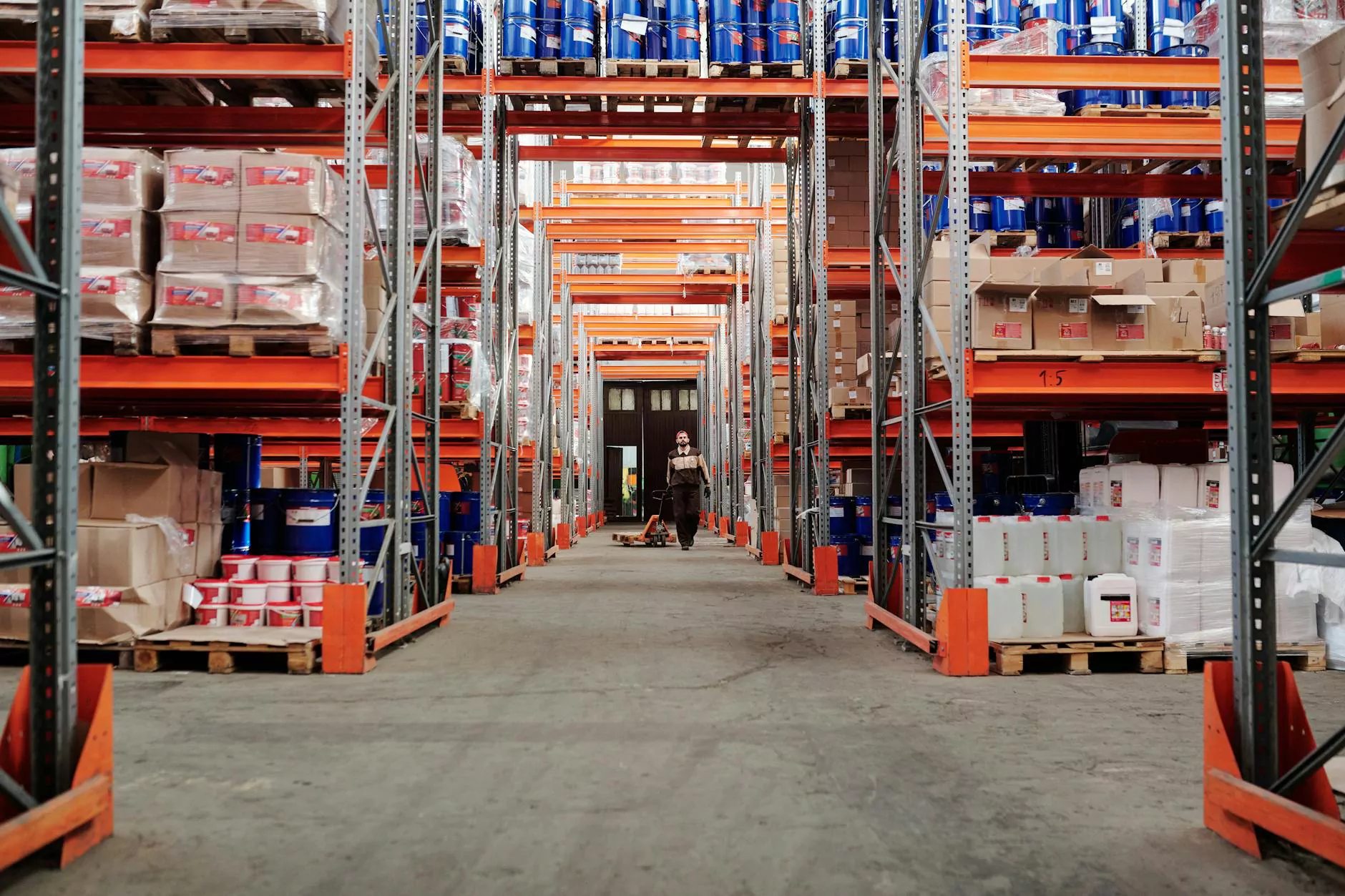
- Racking Systems: Used to maximize warehouse space efficiency.
3. Automated Handling Technologies
The adoption of automation in bulk material handling is revolutionizing industries. Key technologies include:
- Robotics: Automated systems for picking, packing, and transporting materials.
- IoT Integration: Smart sensors for real-time monitoring and diagnostics of handling systems.
- Data Analytics: Tools that analyze material flow and optimize handling strategies.
The Role of Bulk Material Handling in the Electronics Industry
The electronics industry relies heavily on bulk material handling for diverse processes, from assembly to distribution. Here’s how bulk handling improves operations:
1. Precision in Material Handling
In electronics manufacturing, materials such as semiconductors and circuit boards require precise handling to avoid damage. Here, automated systems help maintain accuracy and speed.
2. Managing Hazardous Materials
Many electronic components contain hazardous materials. Specialized bulk handling equipment ensures compliance with safety regulations, securing both workers and the environment.
3. Efficient Supply Chain Management
Effective bulk material handling systems facilitate seamless connections between suppliers, manufacturers, and distributors, enhancing overall supply chain management.
Enhancing 3D Printing Processes with Bulk Material Handling
3D printing is a rapidly evolving sector with unique material handling needs. Here are several ways bulk material handling enhances this industry:
1. Material Preparation
For 3D printing, the quality of materials is paramount. Bulk material handling systems preprocess and manage powders or filaments, ensuring consistent quality before printing begins.
2. Recyclability and Waste Management
Optimized bulk handling systems facilitate waste management and recycling of materials, promoting sustainability within the 3D printing process.
3. Scalability
As demand for 3D printed products grows, bulk material handling systems allow businesses to scale operations up or down efficiently in response to market needs.
Challenges in Bulk Material Handling
While there are numerous benefits to effective bulk material handling, several challenges persist. Understanding these challenges can help businesses proactively address them:
- Maintenance Costs: Regular maintenance of complex systems is necessary to avoid downtime.
- Technology Integration: Integrating new technologies with existing systems can be complex.
- Training Requirements: Employees must be well-trained to handle sophisticated bulk handling systems safely and effectively.
Best Practices for Successful Bulk Material Handling
To optimize the effectiveness of bulk material handling, companies should adhere to several best practices:
- Regular Training: Continuous education for staff to stay updated with handling protocols.
- Technology Upgrades: Updating systems to incorporate the latest technologies for efficiency.
- Safety Protocols: Establishing rigorous safety measures to protect employees and equipment.
- Data Monitoring: Utilizing data analytics to track and optimize material flow.
The Future of Bulk Material Handling
As innovation continues to drive change across industries, the future of bulk material handling promises exciting advancements. Emerging trends to watch include:
- Artificial Intelligence: Enhancements in automated systems that optimize material handling processes.
- Drone Technology: Utilizing drones for inventory management and real-time monitoring.
- Green Technologies: Sustainable and energy-efficient handling solutions.
Conclusion
In conclusion, bulk material handling is an essential component of various industries, significantly impacting efficiency and productivity in electronics and 3D printing. By understanding the techniques, challenges, and advancements associated with bulk handling, businesses can streamline their operations, reduce costs, and enhance safety. As the landscape continues to evolve, embracing innovation and best practices will be critical for those looking to thrive in this competitive environment.
For more information, resources, and the latest technology on bulk material handling, explore polygonmach.com, where industry leaders share invaluable insights and innovations.