Airway Tracking: Revolutionizing Cargo Transportation
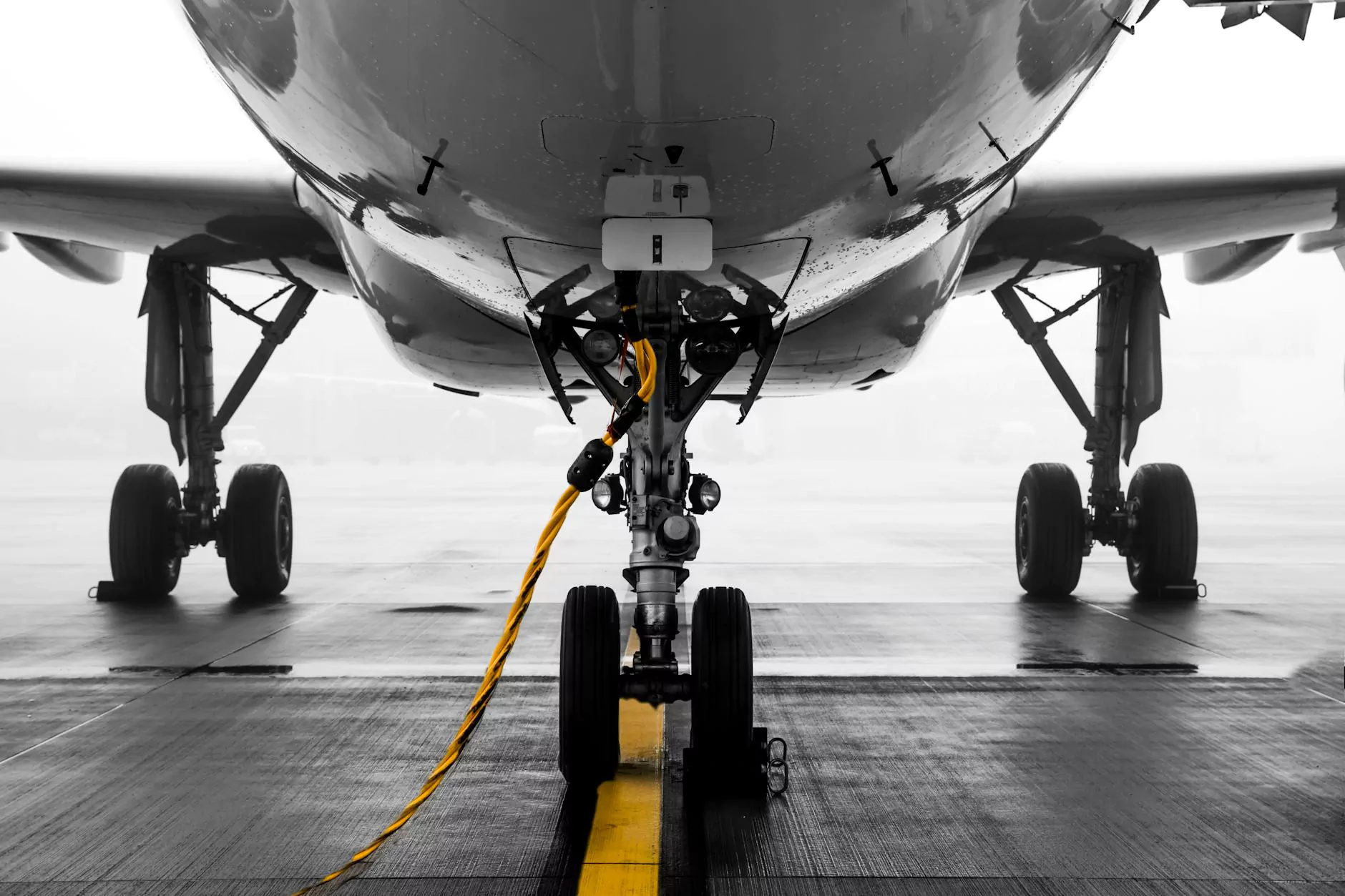
The logistics industry is undergoing a seismic shift, driven by technological advancements that enhance efficiency, transparency, and reliability. Among the most significant innovations is airway tracking, a game-changing approach that has transformed how businesses manage their cargo operations.
The Importance of Airway Tracking in Today's Cargo Landscape
In an era where global trade is more intricate than ever, airway tracking serves as a vital tool for businesses aiming to optimize their shipping processes. With increasing customer expectations for prompt and precise delivery, the need for effective tracking solutions is paramount.
Enhanced Visibility
Airway tracking offers comprehensive visibility into the shipping process, allowing businesses to:
- Monitor shipments in real-time
- Ensure compliance with international regulations
- Identify potential issues before they escalate
This level of visibility enables logistics managers to make informed decisions promptly, enhancing overall operational efficiency.
Boosting Customer Satisfaction
In the competitive world of logistics, customer satisfaction is king. By utilizing airway tracking, companies can provide their customers with:
- Real-time updates on their shipments
- Accurate estimates of delivery times
- Proactive communication regarding any delays or issues
These capabilities foster trust and transparency, effectively boosting customer loyalty.
How Airway Tracking Works
The mechanics of airway tracking are built on sophisticated technologies that automate the tracking process. Here’s how it typically works:
- Booking: When a shipment is booked, an airway bill is generated which contains key information regarding the cargo.
- Labeling: Each package is labeled with a unique tracking number, allowing it to be monitored throughout its journey.
- Real-Time Tracking: Advanced GPS and RFID technologies are employed to track the shipment's movement in real time.
- Data Integration: All tracking data is integrated into a centralized system, providing stakeholders access to relevant information at any time.
This systematic approach enhances not only the tracking itself but also the overall management of the logistics process.
Benefits of Airway Tracking for Shipping Centers
For shipping centers, implementing airway tracking solutions can lead to numerous benefits:
1. Increased Efficiency
Efficient operations are the lifeblood of any shipping center. By utilizing airway tracking, centers can monitor cargo movement more accurately, leading to optimized workflows and reduced handling times.
2. Improved Inventory Management
With real-time tracking, businesses can manage their inventories more effectively. They can adjust their stock levels based on shipment arrival times, reducing overhead costs associated with excess inventory.
3. Enhanced Security
Airway tracking aids in securing cargo by providing constant updates and alerts. In case of deviations or potential theft, businesses can respond quickly to safeguard their assets.
Challenges in Implementing Airway Tracking
Despite its numerous advantages, the implementation of airway tracking does come with challenges:
- Initial Investment: The cost of integrating advanced tracking technology can be high, especially for smaller businesses.
- Data Management: The sheer volume of data generated requires robust systems to manage and analyze tracking information.
- Staff Training: Employees need proper training to effectively use the new systems and technology.
Overcoming these challenges is essential for leveraging the full potential of airway tracking solutions.
The Future of Airway Tracking in Transportation
As we look to the future, the role of airway tracking in transportation is set to expand dramatically. Here are some anticipated trends:
Integration of AI and Machine Learning
Artificial Intelligence (AI) and machine learning are expected to play significant roles in enhancing airway tracking. These technologies can analyze vast amounts of data to predict trends, optimize routes, and improve delivery times.
Blockchain Technology
Blockchain offers a secure method for recording tracking information. Its application in airway tracking could enhance data integrity, reduce fraud, and streamline processes across various stakeholders.
Increased Focus on Sustainability
With growing concerns around environmental impact, future airway tracking systems will likely incorporate sustainability metrics. Businesses will be able to track not only their shipments but also the carbon footprint associated with them.
Conclusion: Embracing the Airway Tracking Era
In conclusion, airway tracking is not just a passing trend; it is a fundamental shift in how businesses handle cargo logistics. By adopting advanced tracking technologies, companies can enjoy heightened visibility, improved efficiency, and enhanced customer satisfaction.
The logistics landscape is evolving, and those who embrace these changes will be positioned for success in an increasingly competitive marketplace. As businesses invest in innovation and adapt to the demands of modern logistics, the effectiveness of airway tracking will become more pronounced, making it a cornerstone of successful transportation strategy.
For your business needs, look no further than cargobooking.aero. Our commitment to leveraging the latest in airway tracking technology ensures that your cargo moves efficiently and transparently across shipping centers, transportation networks, and airports globally.