Understanding the Importance of the Manometer in Modern Business
In today's innovative world, the role of precise measurement tools cannot be overstated, especially in fields such as Home & Garden, Contracting, and Emergency Services like Fire Departments. One of the unsung heroes of measurement devices is the manometer. This article will delve into what a manometer is, its various types, applications, and why it is an indispensable tool for professionals in diverse sectors.
What is a Manometer?
A manometer is a device specifically designed to measure the pressure of gases or liquids. It can provide readings in various units like inches of water, pounds per square inch (psi), or millibars, depending on the application. Understanding how to utilize a manometer can lead to enhanced precision in performance and safety standards across industries.
Types of Manometers
Manometers come in several types, each tailored to different needs and settings. Here’s a closer look at the main types:
- U-Tube Manometer: The traditional and most common form, consisting of a U-shaped tube filled with liquid. Changes in pressure lead to liquid level variations.
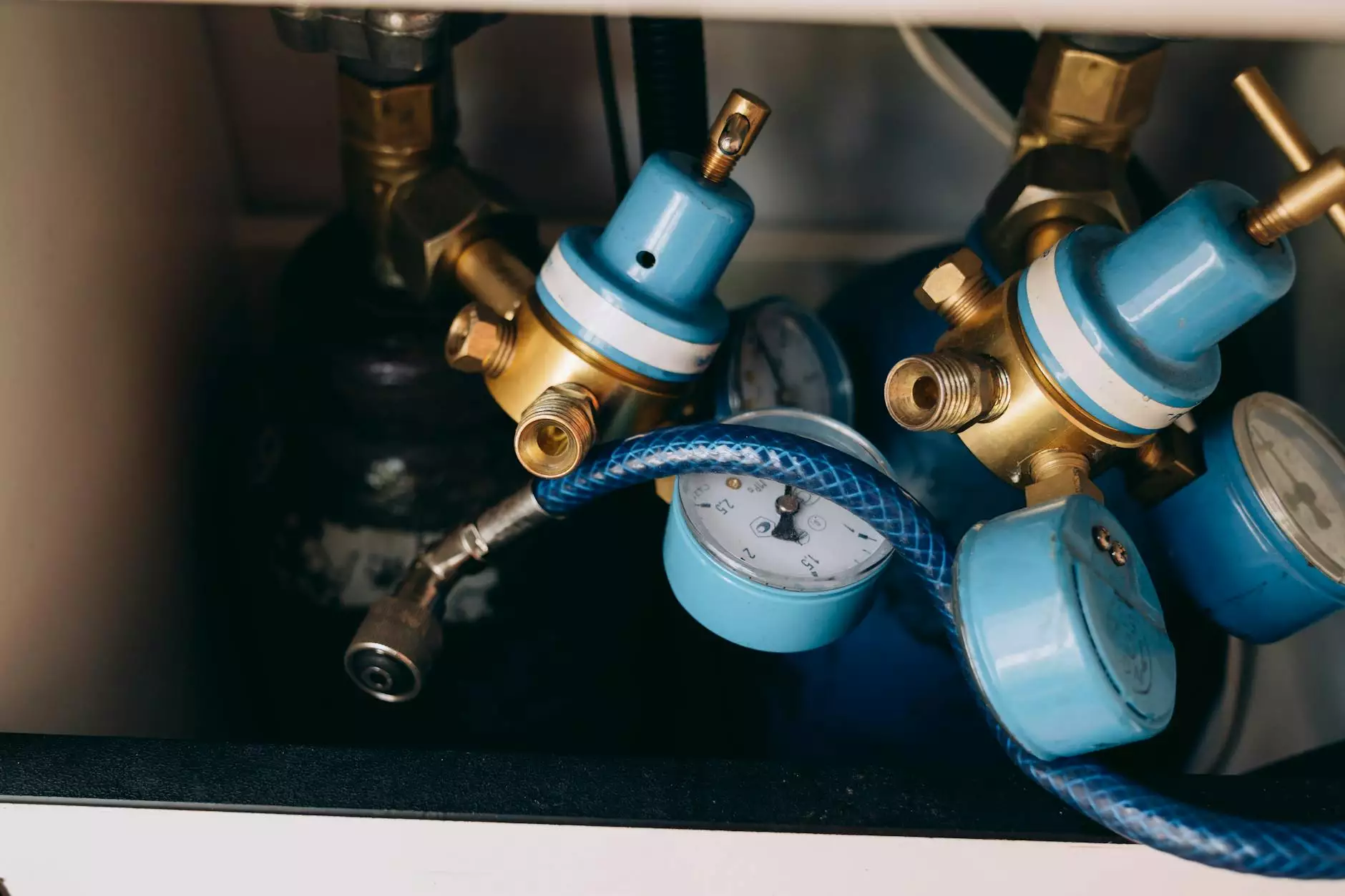
- Bourdon Tube Manometer: A mechanical gauge that uses a coiled tube that tends to straighten when pressure is applied. This design is ideal for high-pressure environments.
- Digital Manometer: Features digital readouts for easier interpretation and can provide more accurate measurements. It often includes additional features like data logging.
- Static Manometer: Used for measuring pressure in systems where fluctuations are minimal. Ideal for monitoring steady states in HVAC systems.
- Absolute Manometer: Measures pressure relative to a perfect vacuum and is crucial for applications requiring high precision.
Key Applications of Manometers
Manometers are utilized across various fields, highlighting their versatility and importance:
1. Home & Garden
In the realm of home and garden, manometers play a pivotal role in maintaining proper pressure levels in irrigation systems and gas appliances. Regular monitoring ensures:
- Optimal performance of watering systems
- Safety in gas-powered appliances and equipment
- Protection against leaks, which can lead to serious hazards
2. Contractors
For contractors, manometers are essential in measuring pressure when working with HVAC systems, plumbing installations, and other pressure-sensitive tasks. Accurate pressure readings can lead to:
- Enhanced system efficiency
- Minimized energy consumption
- Improved compliance with safety regulations
3. Fire Departments
In emergency services, particularly for fire departments, manometers are vital for ensuring that equipment is functioning correctly. They assist in:
- Monitoring pressure in firefighting hoses
- Evaluating the performance of water pumps
- Providing critical information for rapid response scenarios
Why Choosing the Right Manometer Matters
Selecting the appropriate manometer is crucial because it directly impacts the efficacy of pressure measurements. Considerations include:
1. Accuracy and Precision
The precision of your manometer can significantly influence operational performance, from how adequately a gas appliance functions to how a hydraulic system operates. Higher accuracy readings can lead to better decision-making and enhanced safety measures.
2. Environmental Conditions
The operating environment influences the type of manometer you should use. Factors such as temperature, exposure to corrosive substances, and physical space can dictate whether you need a robust mechanical device or a sensitive electronic one.
3. Ease of Use
In a fast-paced environment, such as a construction site or a fire response, having tools that are easy to read and use is crucial. Digital manometers often come with user-friendly interfaces, making them a preferred choice among professionals.
Maintenance of Manometers
To ensure longevity and accuracy in your manometer, regular maintenance is essential. Here are key steps to follow:
- Regular Calibration: Ensure your manometer is calibrated at scheduled intervals to maintain measurement accuracy.
- Check for Leaks: Regular inspections for leaks or damages in the system it measures will prevent incorrect readings.
- Cleaning: Clean the manometer according to the manufacturer's recommendations to prevent buildup that could affect performance.
Best Practices in Utilizing Manometers
Utilizing a manometer effectively requires knowledge and careful technique. Consider these best practices:
1. Understanding the Application
Before using a manometer, ensure that you understand the specific application. Knowing the pressure ranges and systems you are working with helps in selecting the right gulley or settings.
2. Training and Familiarization
Proper training on the use of manometers ensures that all measurements taken are accurate. Familiarize yourself with the device and regularly review how to interpret the readings correctly.
3. Keeping Detailed Records
Documenting your readings can help in monitoring trends over time. This practice is especially important in settings like HVAC maintenance or agricultural irrigation systems.
Where to Purchase Quality Manometers
For businesses and individuals looking for high-quality manometers, consider trusted suppliers such as tuzoltokeszulek.com. They offer a range of manometers suited for various applications, ensuring that you find the perfect fit for your business's needs.
Conclusion
In summary, the manometer is a crucial instrument in numerous fields, from home maintenance to emergency services. Understanding its applications, types, and maintenance can significantly enhance operational efficiency and safety standards. As the demand for precision in measurements continues to rise, investing in quality manometers will undoubtedly pay dividends for any business.
For further information on manometers and to explore our extensive selection, visit tuzoltokeszulek.com. Embrace the power of precise measurement for the growth and advancement of your business!