Mastering the Art of Booklet Printing: Understanding the Cost Factors and Maximize Your Investment
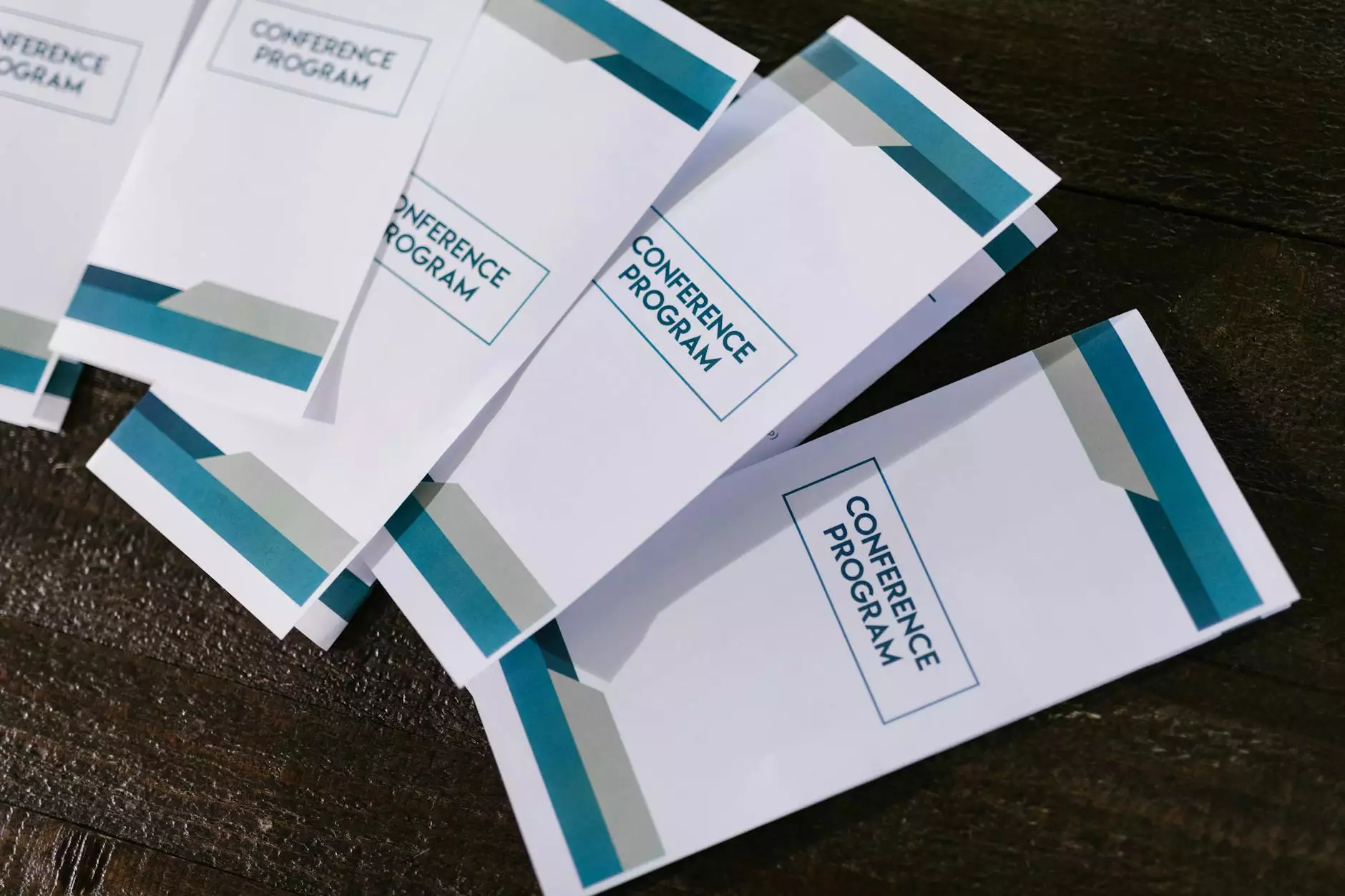
In today’s competitive marketing landscape, printed materials continue to play a vital role in conveying professionalism, enhancing brand visibility, and providing information in a tangible and engaging way. Among these materials, booklets stand out as versatile, impactful tools that can inform, educate, and persuade audiences across various industries. Whether you are creating a product catalog, an annual report, an event program, or a promotional brochure, understanding the intricacies of booklet printing cost is critical to ensuring you achieve high-quality results without overspending.
Why Invest in High-Quality Booklet Printing?
In an era dominated by digital marketing channels, printed booklets serve as tangible touchpoints that foster a deeper connection with your audience. The tactile experience of flipping through a well-designed booklet often leaves a lasting impression, leading to enhanced brand recall and customer engagement. Additionally, professionally printed booklets signify a commitment to quality and attention to detail, reinforcing your brand's credibility and authority in your industry.
Understanding the Factors That Influence Booklet Printing Cost
Knowing the various elements that affect the booklet printing cost enables you to plan your project budget effectively. Different aspects, from design complexity to production volume, play a significant role in pricing. Here are the core factors that you should consider:
1. Paper Quality and Thickness
- Standard paper options like 70-100gsm are generally more affordable.
- Premium and specialty papers, such as glossy or matte finishes, add to the cost but enhance durability and visual appeal.
- Thickness (gsm) influences the heft and perceived quality of the booklet, with thicker papers costing more.
2. Printing Technique and Color Options
- Full-color printing provides vibrant visuals but incurs higher costs compared to black-and-white or spot-color printing.
- Printing methods such as offset printing are cost-effective for large runs, whereas digital printing is better for small quantities with quick turnaround times.
- Special effects like embossing, foil stamping, or UV coating can significantly raise printing expenses.
3. Size and Format
- Standard sizes (e.g., A4, A5) tend to be more economical.
- Custom dimensions or unconventional formats typically increase production costs due to adjustments in printing setup and materials.
4. Number of Pages and Binding Style
- The page count directly influences the total cost, with higher page counts requiring more paper and longer printing times.
- Binding options such as saddle-stitching (stapled), perfect binding (glued spine), or spiral binding have different cost implications. Saddle-stitching is usually the most affordable for booklets with fewer pages, while perfect binding is ideal for thicker publications.
5. Volume and Quantity
- Ordering in larger quantities generally reduces the per-unit booklet printing cost due to economies of scale.
- Many printing companies offer discounts or sliding scale pricing models for bulk orders, making high-volume projects more cost-effective.
How to Optimize Your Booklet Printing Cost Without Sacrificing Quality
Achieving a balance between quality and budget is essential for successful printing projects. Here are strategic tips to minimize costs while maintaining a professional standard:
Choose the Right Paper and Finish
- Opt for a durable yet cost-effective paper type that fits your budget and brand image.
- Consider matte or uncoated finishes for an elegant look, or gloss coatings for vibrant imagery.
Keep It Simple with Design and Colors
- Limit the color palette to reduce printing expenses—use spot colors or black-and-white where possible.
- Simplify layout complexity to minimize setup costs and printing errors.
Select Appropriate Printing Technique
- For small quantities, digital printing offers quick turnaround times and flexible customization at a reasonable cost.
- Offset printing is the best choice for larger batches, providing high-quality results at lower unit costs.
Streamline Page Count and Binding
- Design your booklet within an optimal page range (typically 16-48 pages) to avoid unnecessary expenses.
- Choose a binding style that fits your size, quantity, and desired durability—saddle-stitching is often the most economical for most use cases.
Order in Bulk and Plan Ahead
- Planning your project well in advance allows you to take advantage of bulk discounts and avoid rush fees.
- Request quotes from multiple printers, like Printitza.co.za, to compare pricing and quality options.
Estimating the Booklet Printing Cost: A Practical Approach
While prices vary depending on specifications and vendors, gaining a clear understanding of typical costs helps you budget effectively. Here are rough estimates based on common parameters:
- Small print run (50-100 copies): Digital printing costs per booklet can range from R50 to R150, depending on size, pages, and finishes.
- Medium to large runs (200-1000 copies): Offset printing becomes more economical, with prices sometimes dropping below R30 per unit when print volume increases.
- Additional charges: Design fees, special finishes, and binding options can add to the overall expense but significantly enhance output quality.
The Benefits of Partnering with a Professional Printing Service
Choosing an experienced printing partner like Printitza.co.za ensures your project benefits from:
- Expert guidance: From material selection to finishing touches, professional printers advise on the best options for your budget and goals.
- Quality assurance: Top-tier equipment and quality control processes guarantee consistent, high-quality outcomes.
- Cost efficiency: Strategic planning and volume discounts improve overall value.
- Fast turnaround: Efficient production processes reduce lead times, helping you meet deadlines easily.
Why Printitza.co.za Is Your Best Choice for Booklet Printing
As a leader in printing services, Printitza.co.za specializes in delivering tailored solutions for all your printing needs, including high-quality booklet printing. Our extensive experience, cutting-edge technology, and commitment to customer satisfaction set us apart. We understand that every project is unique, and our transparent pricing, fast turnaround, and personalized support ensure your expectations are not only met but exceeded.
Conclusion
Understanding the nuanced factors influencing the booklet printing cost empowers you to make informed decisions that optimize your investment. Whether you aim for a cost-effective solution or premium quality, strategic choices regarding paper, design, quantity, and binding can significantly impact your overall expenses. Partnering with a reputable printing service like Printitza.co.za guarantees a seamless experience, exceptional quality, and excellent value for your money.
Explore your options, plan meticulously, and leverage professional guidance to bring your booklet projects to life effectively and efficiently. High-quality printed booklets are not just marketing tools—they are an extension of your brand that leaves a tangible mark on your audience. Invest wisely, and your printed materials will serve as powerful ambassadors for your business for years to come.


